Table of Contents
Dental implant maintenance matters more than most people realize. Getting an implant is a big decision. It takes time, planning, and yes, money. And once it’s done, the last thing you want is to lose that investment because of something preventable.
At Lockwood Family Dental, we see implants succeed beautifully when they’re cared for properly. We also see problems when maintenance slips. The difference usually isn’t luck. It’s habits, consistency, and knowing what actually matters.
Let’s talk through how dental implant maintenance really works, what your implant needs from you, and how our dental team helps protect your smile long term.
Why Dental Implant Maintenance Is Different From Tooth Care
Dental implants aren’t natural teeth. They don’t get cavities. That part surprises people.
But here’s the catch. The bone and gum tissue around an implant are very real. And they can absolutely become infected or inflamed if plaque builds up.
Think of an implant like a fence post set in concrete. The post itself is strong. But if the soil around it erodes, the whole thing becomes unstable.
Dental implant maintenance focuses on protecting the gums and bone that support the implant. That’s where success or failure usually begins.
What Happens If Implants Aren’t Maintained
This is the part people don’t always hear upfront.
Without proper dental implant maintenance, bacteria can collect around the implant just like it does around natural teeth. Over time, that bacteria can lead to peri-implant disease, a condition similar to gum disease.
Left untreated, it can cause:
- Gum inflammation and bleeding
- Bone loss around the implant
- Loosening of the implant
- Implant failure
That’s why maintenance isn’t optional. It’s part of the treatment.
Daily Dental Implant Maintenance at Home
Here’s the good news. Most implant care fits easily into your normal routine.
Brushing Still Matters
Brush at least twice a day using a soft bristled toothbrush. Pay extra attention to where the implant meets the gumline. That’s where plaque likes to hide.
Electric toothbrushes can be especially helpful here. They do a great job cleaning around implant crowns without extra pressure.
Flossing Is Non Negotiable
Yes, even with implants.
Flossing removes plaque from areas your toothbrush can’t reach. For implants, floss or specialized implant floss helps clean beneath the crown and along the gums.
If traditional floss feels tricky, interdental brushes or water flossers are solid alternatives. Our dental team can help you choose what works best for you.
Mouthwash Helps More Than You Think
An antimicrobial mouthwash can reduce bacteria levels around implants. This extra step supports gum health and lowers inflammation risk.
Professional Cleanings Are Essential
Dental implant maintenance isn’t just about what you do at home. Professional cleanings are where long term success really gets protected.
At Lockwood Family Dental, we use tools specifically designed for implants. These clean thoroughly without scratching implant surfaces or damaging surrounding tissue.
Regular visits allow our team to:
- Remove hardened plaque you can’t reach
- Monitor bone levels around the implant
- Check bite alignment and crown stability
- Catch early signs of trouble before they become serious
Dr. Brysen Hansen keeps a close eye on how implants are functioning over time. Small changes matter. Catching them early makes all the difference.
How Often Should Implants Be Checked?
For most patients, dental implant maintenance visits align with routine checkups every six months. Some people benefit from more frequent cleanings, especially if they have a history of gum disease or multiple implants.
There’s no one size fits all schedule. We tailor it based on your oral health, habits, and implant type.
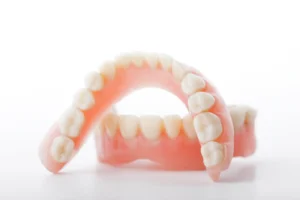
Implant Supported Dentures Need Extra Attention
If you have implant supported dentures, maintenance becomes even more important.
These restorations rely on implants for stability, but food and plaque can collect underneath if they aren’t cleaned properly.
That’s why we often recommend:
- Daily removal and cleaning of overdentures
- Careful cleaning around attachment points
- Regular professional evaluations to ensure proper fit
Habits That Can Damage Implants
Some habits quietly work against dental implant maintenance.
Smoking is a big one. It reduces blood flow to the gums and slows healing, increasing the risk of implant failure.
Grinding or clenching teeth can also put excess pressure on implants. If this applies to you, a custom night guard can help protect your investment while you sleep.
Skipping appointments is another common issue. Implants often fail silently at first. Regular visits help us catch problems before symptoms appear.
Signs Your Implant Needs Attention
Between visits, pay attention to changes. Call us if you notice:
- Bleeding or swelling around an implant
- Persistent discomfort
- A loose feeling when chewing
- Changes in how your bite feels
These signs don’t always mean failure, but they do mean it’s time for an evaluation.
Long Term Success Is a Team Effort
Dental implant maintenance works best when it’s a partnership.
You handle daily care at home. Our dental team monitors, cleans, and adjusts as needed. Dr. Brysen Hansen focuses on protecting both the implant and the surrounding structures so it lasts as long as possible.
When implants are cared for properly, they can last decades. That’s not an exaggeration. It’s the outcome we see again and again.
Protect Your Investment With the Right Support
If you have dental implants or are considering them, maintenance should be part of the conversation from day one.
At Lockwood Family Dental, our team is here to guide you through every stage. From planning to placement to long term care, you’re never doing this alone.
If it’s been a while since your implant was checked, or if you have questions about proper care, reach out. Protecting your investment starts with one simple step.